

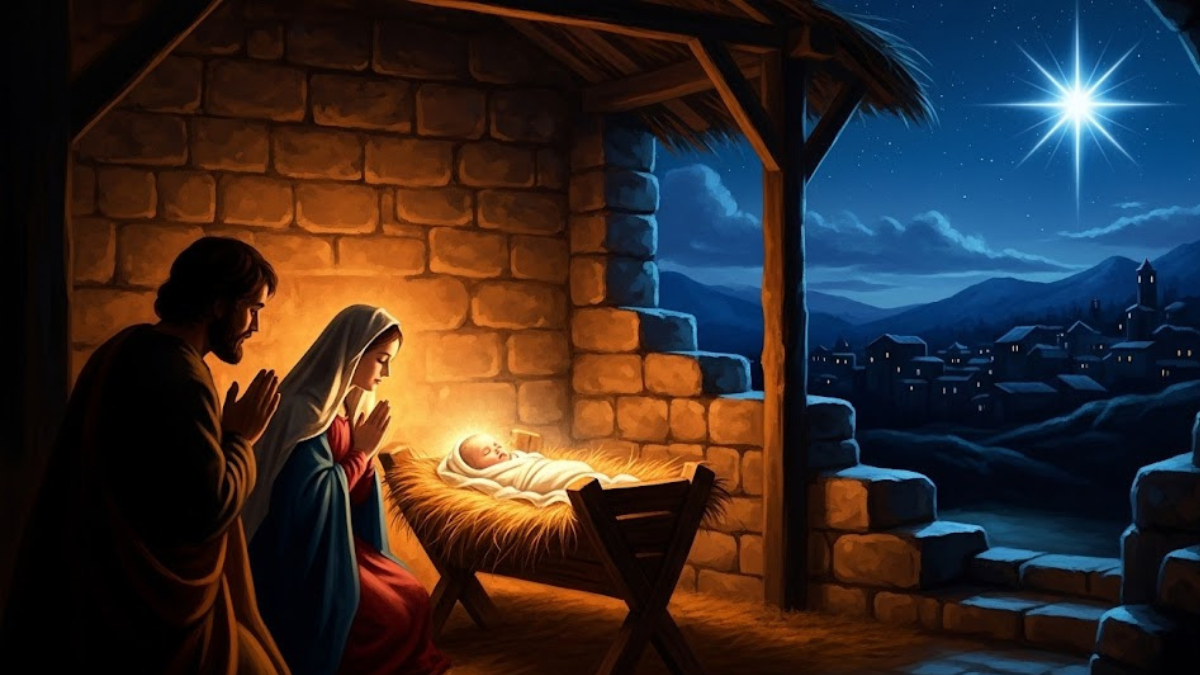

Explore the deep significance of the Nativity (Nativität). From biblical roots and historical facts to artistic symbols on Christ’s birth.
also read: https://soutaipassu.com/fonendi/
Introduction
In the realms of Christian theology and Western cultural history, the term Nativity—often referred to by its formal name Nativität—holds a position of unparalleled significance. Derived from the Latin word nativitas, which simply translates to “birth,” this term has evolved into a specific technical and religious designation for the birth of Jesus Christ. Beyond being a simple historical marker, the Nativität represents a complex tapestry of faith, artistic expression, and centuries-old traditions that continue to shape modern society.
In this comprehensive guide, we will explore the multi-faceted layers of the Nativität, ranging from its biblical origins to its modern reception in art and global customs. We will examine why the Nativität is not merely a date on a calendar, but a profound symbol of hope and renewal for millions of people across the globe.
Defining Nativität: More Than Just a Birthday
While the term Nativität is frequently used interchangeably with the Christmas season, its theological and academic definition is far more precise. In Christian doctrine, the Nativität describes the Incarnation—the moment when, according to faith, the Divine entered human history in the form of a child. While “Christmas” encompasses the entire holiday season, including Advent and various cultural festivities, the Nativität focuses specifically on the act of birth in the manger of Bethlehem.
Interestingly, in the world of art history, Nativität is used to classify a specific genre of paintings and sculptures that depict the scene in the stable. This genre follows a strict iconography, placing the figures of Mary, Joseph, the Infant Jesus, and the symbolic ox and donkey in specific arrangements to convey deeper spiritual truths.
Etymological Roots
The word descends directly from the Latin nativitas (birth, origin). In English, “Nativity” is the standard term, but the German “Nativität” is often used in scholarly, liturgical, or artistic contexts to distinguish the sacred event from a common birth. Understanding this root helps us see the event as an “origin point”—the beginning of a new era in human history.
The Biblical Narrative: A Tale of Two Evangelists
The story of the Nativität is primarily drawn from two of the four Gospels in the New Testament: the Gospel of Matthew and the Gospel of Luke. Each author emphasizes different aspects of the event, which together form the complete image we see in modern nativity plays and crèches.
The Gospel of Luke: The Lowly and the Manger
Luke’s account focuses on the human and social dimensions of the story. He writes of the census ordered by Emperor Augustus, which forced Mary and Joseph to travel to Bethlehem. Because there was “no room in the inn,” the child was born in a stable and laid in a manger. The appearance of the angels to the shepherds in the fields underscores the message that the Nativität was an event for the common people, the marginalized, and the humble.
The Gospel of Matthew: Kings and Cosmic Signs
Matthew, conversely, emphasizes the royal dignity of Jesus and the fulfillment of Old Testament prophecies. He tells the story of the Magi from the East (the Three Wise Men) who followed a star to pay homage to the newborn “King of the Jews.” Here, the Nativität is presented as a cosmic event, one that shakes the foundations of earthly power and shines far beyond the borders of Israel.
Historical Context: When Did the Nativität Actually Occur?
While we traditionally celebrate the Nativität on December 25th, historians and theologians generally agree that this date was chosen for its symbolic value rather than its chronological accuracy. In the early centuries of Christianity, there was no fixed date for celebrating Christ’s birth.
| Aspect | Historical Findings |
|---|---|
| Year of Birth | Likely between 7 and 4 BC (based on the death of Herod the Great). |
| Seasonality | Likely spring or autumn; shepherds were in the fields at night, which was rare in the cold Judean winter. |
| The Choice of Dec 25 | Established in the 4th century to “Christianize” the pagan festival of Sol Invictus (The Unconquered Sun). |
The strategic selection of the winter solstice period was brilliant: in the darkest time of the year, the Nativität celebrates the “Light of the World” dispelling the darkness. This symbolism is deeply rooted in human psychology and explains why the festival has remained so popular across different eras and cultures.
The Artistic Evolution of Nativität Imagery
Few motifs have influenced European art as profoundly as the Nativität. From the stone carvings on early Christian sarcophagi to the breathtaking masterpieces of the High Renaissance, artists have struggled to depict the unfathomable: God as a vulnerable, tiny infant.
Key Elements in Art History
- The Manger: A symbol of poverty, humility, and the “bread of life.”
- Ox and Donkey: Based on an interpretation of the prophet Isaiah, they symbolize the recognition of God by all of creation.
- The Divine Light: In many classic paintings (such as those by Caravaggio or Correggio), the light source is the Christ Child himself, illuminating the dark surroundings—a visual metaphor for His divinity.
- The Ruined Landscape: Frequently, Bethlehem is depicted as a set of ruins, symbolizing the fading of the Old Covenant to make way for the New Covenant.
In Byzantine art, the Nativität was often set in a dark cave rather than a wooden stable. This has a deep mystical meaning: the cave represents the “womb of the earth” and serves as a visual precursor to the tomb, linking Christ’s birth directly to His eventual resurrection.
Global Traditions and Cultural Flavors
The Nativität is more than a church dogma; it is the heartbeat of numerous cultural identities. Every nation has developed its own unique ways to honor the birth of Christ, turning the Nativität into a living, breathing tradition.
- Germany: The “Weihnachtskrippe” (Nativity Scene) is the central symbol. In regions like the Ore Mountains (Erzgebirge), entire villages are dedicated to the intricate wood-carving of Nativität scenes.
- Italy: The “Presepe” tradition is massive, especially in Naples. There, “Via San Gregorio Armeno” is a famous street dedicated entirely to nativity figurines, blending sacred characters with modern celebrities.
- Latin America: The “Posadas” are a series of processions that re-enact Mary and Joseph’s search for an inn. It turns the Nativität into a community event of hospitality and music.
- France: In Provence, they use “Santons”—small clay figures that include not just the holy family, but also local villagers like the baker, the fisherman, and the mayor, bringing the Nativität into the local context.
These customs ensure that the Nativität remains relevant. It is not just a historical commemoration; it is an annual re-living of a story involving displacement, rejection, and ultimately, miraculous hope.
Theological Weight: Why the Nativität Matters
For believers, the Nativität provides the ultimate answer to the existential question of God’s proximity. The doctrine of the Incarnation suggests that God did not remain distant and untouchable but chose to become “one of us.”
Solidarity with Humanity
By being born in a stable, Jesus signaled a radical solidarity with the poor and the homeless. The Nativität teaches that true greatness is not found in palaces or through political might, but in simplicity and vulnerability. This was a revolutionary shift in social values that continues to challenge modern hierarchies.
The Beginning of Redemption
Theologically, the Nativität is the necessary first step toward the Passion and Resurrection. Without the birth, there could be no life, no teachings, and no sacrifice. In liturgy, the Nativität is often called the “admirable exchange”: God takes on human nature so that humanity might participate in the Divine.
Frequently Asked Questions
- What does “Nativität” mean in astrology? In traditional astrology, a “nativity” refers to a birth chart. It was a map of the celestial bodies’ positions at the exact moment of an individual’s birth to determine their destiny.
- Was the “Star of Bethlehem” a real astronomical event? Astronomers suggest it might have been a rare “Great Conjunction” of Jupiter and Saturn in the constellation Pisces (around 7 BC), which would have been highly significant to ancient stargazers.
- Why are the ox and donkey included if they aren’t in the Bible? They come from an ancient tradition referencing Isaiah 1:3: “The ox knows its master, the donkey its owner’s manger.” They represent the natural world recognizing its Creator.
- Who created the first Nativity scene? St. Francis of Assisi is credited with staging the first “living” nativity in 1223 in Greccio, Italy, using real animals and people to make the Gospel more accessible to the illiterate public.
- What is the difference between Nativity and Epiphany? The Nativity celebrates the birth itself (Dec 25), while Epiphany (Jan 6) celebrates the “manifestation” of Christ to the Gentiles, represented by the visit of the Magi.
- Why is Jesus often depicted wrapped in “swaddling clothes”? Swaddling was a common ancient practice to keep infants warm and secure, but symbolically, it mirrors the linen shrouds used at His burial, linking His beginning to His end.
- Is the Nativität mentioned in the Quran? Yes. The Quran describes the birth of Isa (Jesus) to the Virgin Maryam (Mary). However, it places the birth under a palm tree rather than in a stable in Bethlehem.
- What is “Nativity Fasting”? In Orthodox Christianity, the “Nativity Fast” is a 40-day period of abstinence and prayer leading up to the feast, similar to the Western season of Advent but with stricter dietary rules.
- How was the Nativität celebrated in the Middle Ages? It was often celebrated through “Mystery Plays”—theatrical performances held in or outside churches that brought the biblical stories to life for the masses.
- Why is Bethlehem’s location significant? Bethlehem was the ancestral home of King David. By being born there, Jesus fulfilled the messianic requirement of being a “Son of David,” solidifying His claim as the promised King.
Conclusion
The Nativität is far more than a simple religious narrative; it is a cultural anchor that binds together art, history, and personal spirituality. It serves as a perennial reminder of the power of new beginnings and the enduring importance of compassion, humility, and light in a dark world. Whether viewed as a historical fact, a theological mystery, or a beautiful cultural tradition, the story of the birth in the Bethlehem manger remains one of the most influential tales in human history, bridging generations and cultures in a shared celebration of life.