

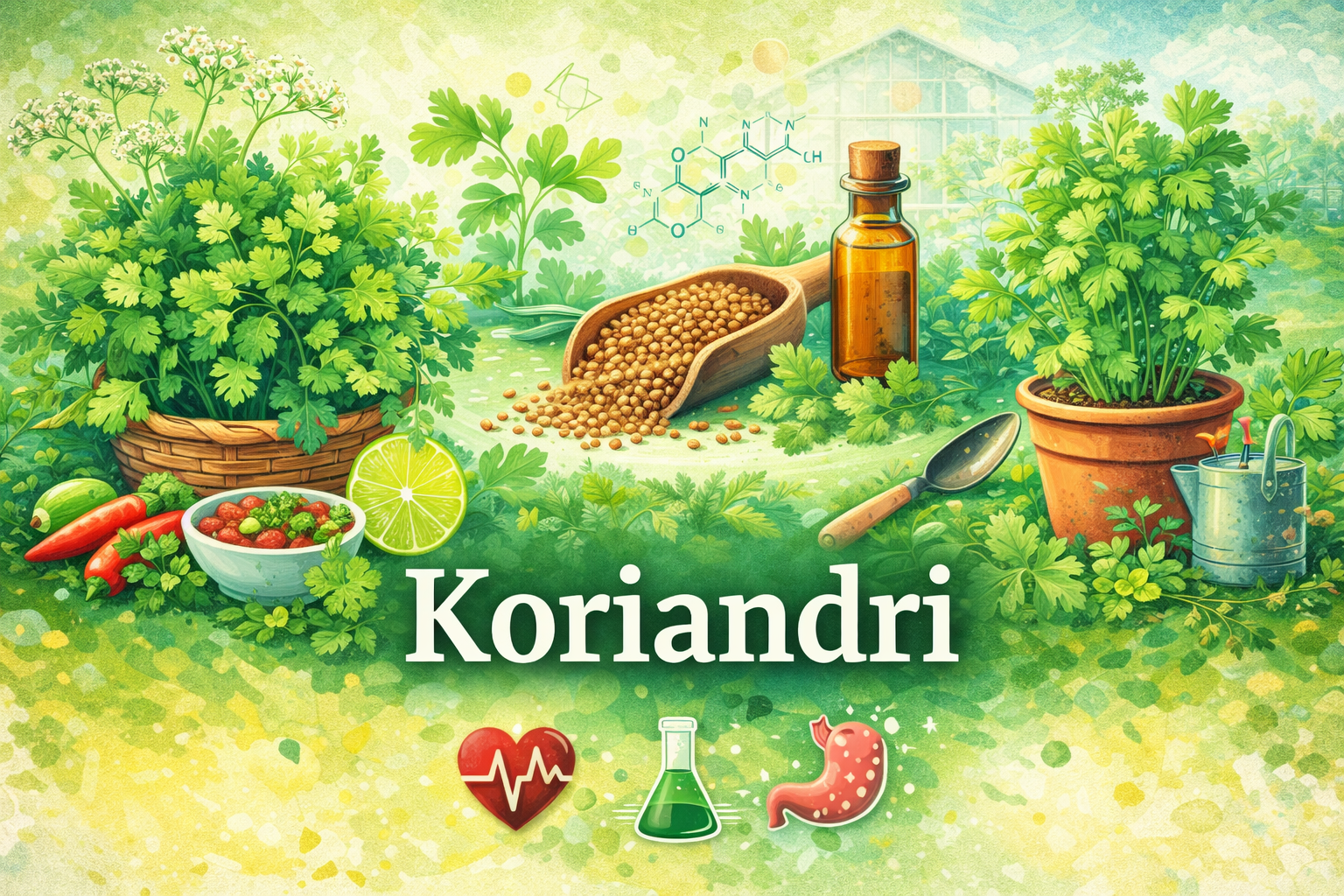

Explore the wonders of koriandri. Learn about its health benefits, culinary applications, history, and expert tips for growing this versatile herb at home.
also read: https://soutaipassu.com/washington-nationals-vs-kansas-city-royals-timeline/
Introduction
The world of herbs is vast and diverse, but few plants carry as much historical weight and culinary versatility as koriandri. Known in various regions as coriander or cilantro, this herb is a staple in kitchens from Southeast Asia to South America. Whether you are using the fresh, citrusy leaves or the warm, nutty seeds, understanding the nuances of this plant can elevate your cooking and improve your well-being. This guide delves deep into everything you need to know about this remarkable botanical treasure.
Understanding Koriandri: A Botanical and Historical Overview
Technically known as Coriandrum sativum, the plant we refer to as koriandri is a member of the Apiaceae family, which also includes carrots, celery, and parsley. It is an annual herb, meaning it completes its life cycle within a single growing season. What makes it unique is that every part of the plant is edible, though the leaves and the dried seeds are the most commonly utilized components in global gastronomy.
Historically, the use of this herb dates back thousands of years. Archaeologists have found traces of its seeds in ancient Egyptian tombs, suggesting it was valued not only as a food source but perhaps for ritualistic or medicinal purposes. It traveled along ancient trade routes, becoming an integral part of Mediterranean, Indian, and Chinese cultures. Today, it remains one of the most widely consumed herbs on the planet, bridging the gap between ancient tradition and modern culinary innovation.
The Flavor Profile: Why People Love (and Sometimes Hate) It
The sensory experience of koriandri is a fascinating topic of study. The leaves offer a bright, citrus-like flavor with a hint of pepper. However, it is famous for being polarizing. A small percentage of the population possesses a specific olfactory receptor gene (OR6A2) that makes the leaves taste soapy or unpleasant.
On the other hand, the seeds—often referred to as the spice—present a completely different profile. When toasted and ground, they emit a warm, nutty, and slightly floral aroma that forms the backbone of many curry powders and dry rubs.
Comparison of Herb Forms
| Feature | Fresh Leaves (Cilantro) | Dried Seeds (Coriander Spice) |
|---|---|---|
| Primary Flavor | Citrus, bright, peppery | Warm, nutty, floral |
| Common Use | Garnish, salsas, chutneys | Curries, stews, baking |
| Aroma | Pungent and fresh | Sweet and earthy |
| Best Added | At the end of cooking | At the start of cooking |
Nutritional Profile and Health Benefits
Beyond its ability to enhance a dish, koriandri is a powerhouse of nutrition. It is low in calories but rich in essential vitamins and antioxidants. Including this herb in your diet provides a natural boost to your immune system and overall health.
- Rich in Antioxidants: The plant contains compounds like terpinene and quercetin, which help fight oxidative stress and may have anticancer and neuroprotective effects.
- Heart Health Support: Studies suggest that it may help lower “bad” LDL cholesterol and reduce blood pressure, acting as a natural diuretic.
- Blood Sugar Regulation: It has been observed to activate enzymes that help remove sugar from the blood, making it a potential ally for those managing type 2 diabetes.
- Digestive Aid: Historically used to treat upset stomachs, it can help reduce bloating and discomfort by promoting healthy enzyme production.
- Skin Protection: Its anti-inflammatory and antimicrobial properties make it useful for treating minor skin irritations and protecting against oxidative damage from the sun.
Culinary Applications: Bringing Koriandri to Your Table
Integrating koriandri into your daily meals is simple and rewarding. Because of its dual nature as both a fresh herb and a dried spice, it fits into almost any meal category.
Using the Fresh Leaves
Fresh leaves are best used as a finishing touch. Adding them too early in the cooking process can cause them to lose their vibrant color and delicate flavor. You can finely chop the leaves and stems to create a base for “chimichurri” or “pesto” variants. In Mexican cuisine, it is the soul of a good pico de gallo, providing the necessary acidity to balance rich meats and avocados.
Mastering the Seeds
To get the most out of the seeds, it is highly recommended to buy them whole. Whole seeds retain their oils much longer than pre-ground powder. Before using them, lightly toast the seeds in a dry pan over medium heat until they become fragrant. This process releases the essential oils, intensifying the flavor. Once toasted, you can crush them in a mortar and pestle or a spice grinder.
How to Grow Your Own Koriandri at Home
Growing this herb is a satisfying endeavor for any home gardener. While it can be a bit finicky due to its tendency to “bolt” (go to seed) in hot weather, following a few specific steps can ensure a bountiful harvest.
- Climate and Timing: It prefers cool weather. Plant your seeds in early spring or late autumn. If you live in a hot climate, provide plenty of shade during the afternoon.
- Soil Requirements: Use well-draining soil rich in organic matter. A pH between 6.2 and 6.7 is ideal.
- Sowing Seeds: Sow seeds directly into the soil about half an inch deep. Space them approximately two inches apart.
- Watering: Keep the soil consistently moist but not waterlogged. Stress from lack of water can trigger the plant to flower prematurely.
- Harvesting: You can start harvesting leaves once the plant is about six inches tall. If you want to harvest seeds, allow the plant to flower and wait for the seed heads to turn brown before cutting them.
Sustainable Practices and Storage Tips
To maximize the shelf life of your koriandri, proper storage is essential. Fresh bunches should be treated like a bouquet of flowers; trim the bottoms of the stems and place them in a glass of water, covering the tops loosely with a plastic bag before refrigerating. This can keep the leaves fresh for up to two weeks.
For the seeds, store them in an airtight container in a cool, dark place. They can maintain their potency for up to a year. If you find yourself with an abundance of fresh leaves, you can blend them with a little oil and freeze the mixture in ice cube trays for easy use in future soups and stews.
Common Culinary Pairings
The versatility of this herb allows it to pair beautifully with a wide range of ingredients. Consider the following combinations:
- Lime and Chili: The classic trio for South Asian and Latin American dishes.
- Cumin and Garlic: A robust base for Middle Eastern marinades.
- Coconut Milk: The cooling properties of the herb balance the richness of coconut in Thai curries.
- Root Vegetables: Roasted carrots or parsnips are elevated by a dusting of ground seeds.
Frequently Asked Questions
1. Can I use the roots of the plant in cooking? Yes! The roots have a very intense flavor and are a common ingredient in Thai curry pastes. Make sure to wash them thoroughly to remove all soil.
2. What is the best substitute if I don’t have fresh leaves? Parsley mixed with a squeeze of lime juice is a decent visual and textural substitute, though the flavor profile will be different.
3. Why does my plant keep growing flowers instead of leaves? This is called bolting. It happens when the plant is stressed by heat or lack of water. To prevent this, keep the plant cool and well-watered.
4. Are there any side effects to consuming large amounts of the herb? For most people, it is perfectly safe. However, some individuals may have an allergic reaction, and excessive amounts of the seeds might interact with certain blood-thinning medications.
5. Can I grow this herb indoors? Absolutely. It grows well on a sunny windowsill, provided it gets at least 4-6 hours of sunlight and the pot has good drainage.
6. Is there a difference between “coriander” and “cilantro”? In many regions, “cilantro” refers to the leaves and “coriander” refers to the seeds. In the UK and Australia, “coriander” is often used for both.
7. How do I know when the seeds are ready to harvest? Wait until the seeds turn from green to light brown and the plant begins to wither.
8. Does the herb lose nutrients when dried? The fresh leaves lose most of their vitamin C and volatile oils when dried. It is always better to use fresh leaves or frozen paste.
9. Can pet animals eat this herb? In small quantities, it is generally safe for cats and dogs, but always consult with a vet before introducing new plants to your pet’s diet.
10. How can I reduce the “soapy” taste if I have the gene? Crushing the leaves (like making a pesto) can help break down the aldehydes responsible for the soapy taste, making it more palatable for some.
Conclusion: A Kitchen Essential
In summary, koriandri is much more than just a garnish. From its deep-rooted history in ancient civilizations to its modern-day status as a nutritional powerhouse, it remains an essential tool for any cook or health enthusiast. By understanding how to balance its fresh and spicy forms, you can unlock new dimensions of flavor in your culinary creations. Whether you are growing it in your garden or buying it from the local market, this herb offers a world of benefits that are well worth exploring.