

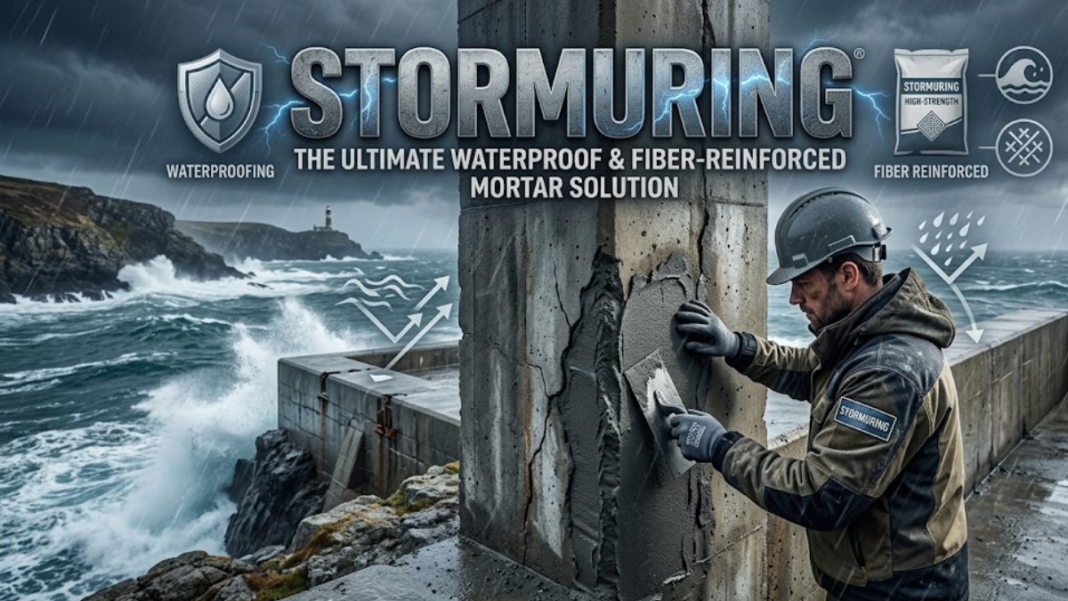

When it comes to construction, renovation, and home repair, choosing the right binding material can make or break your project. Whether you are patching a cracked basement wall, laying bricks for a new garden feature, or plastering an outdoor facade, your structures need to withstand the test of time, moisture, and shifting temperatures. This is where the concept and product class known as stormuring comes into play.
also read: https://soutaipassu.com/ginia/
Originating as a heavy-duty masonry solution designed to survive harsh, volatile climates, stormuring has rapidly grown in popularity among both professional builders and weekend DIY enthusiasts. Known for its exceptional bonding strength, waterproof properties, and ease of use, this fiber-reinforced multi-mortar is a game-changer for modern construction projects. In this comprehensive guide, we will break down everything you need to know about stormuring, how it works, where you can apply it, and how to use it to achieve professional-grade results.
What is Stormuring? Understanding the Basics of Fiber-Reinforced Mortar
At its core, stormuring is a specialized, fiber-reinforced, waterproof multi-purpose mortar (often referred to in European construction as a multimørtel). Unlike traditional basic mortars, which only combine sand, water, and cement, stormuring is engineered with premium additives, including synthetic microfibers and lime-cement binders.
[Sand + Cement] + [Microfibers + Waterproofing Additives] = Stormuring Mortar
These additional components elevate the mortar’s structural integrity, allowing it to remain flexible yet incredibly strong once cured. This unique blend prevents shrinkage cracks and ensures that the material bonds tightly to almost any mineral surface, including brick, concrete, stone, and lightweight clay blocks.
The Power of Fiber Reinforcement
The “fiber-reinforced” nature of stormuring is one of its most critical features. When traditional mortar dries, it undergoes a natural shrinking process. If the mortar shrinks too quickly or is exposed to tension, micro-cracks can develop. Over time, water enters these cracks, freezes during winter, expands, and eventually destroys the masonry.
The microfibers inside a stormuring mix act like a structural web. They distribute physical tension evenly throughout the applied layer, absorbing the microscopic stresses that cause cracking. This results in a highly flexible, impact-resistant finish that stays intact under pressure.
Waterproof Properties and Weather Resistance
Water is the ultimate enemy of concrete and brickwork. Standard mortars can be highly porous, absorbing moisture like a sponge. When you use stormuring, you are applying a naturally dense, water-resistant barrier. Its built-in waterproofing properties prevent driving rain from penetrating external walls while allowing the structure underneath to breathe, preventing internal moisture buildup and mold growth.
Key Benefits of Using Stormuring in Construction and Repairs
If you are deciding between a standard cement mix and a premium stormuring solution, understanding the unique benefits can help you make an informed decision.
- Exceptional Adhesion (“Sits Like a Shot”): One of the biggest challenges in masonry repairs is getting new mortar to stick to old, dry concrete. Stormuring is highly adhesive, grabbing onto mineral surfaces with incredible force.
- Highly Adaptable Thickness: Some mortars can only be applied in thin coats, while others require thick layers to avoid crumbling. Stormuring is incredibly versatile; it can be feathered down to a few millimeters or built up to 8–10 centimeters in a single application without sagging.
- Climate Resilience: Designed to handle severe weather, this mortar stands up easily to extreme freeze-thaw cycles, scorching summer heat, and driving coastal winds.
- Saves Time and Money: Because stormuring acts as a masonry mortar, plaster, and repair concrete all in one, you do not need to buy four or five different bags of product for a single renovation project.
Common Applications: Where Can You Use Stormuring?
Because of its multi-purpose design, there are dozens of scenarios where stormuring is the ideal choice.
1. Structural Masonry and Bricklaying
Whether you are building a retaining wall, a brick mailbox, or a decorative stone boundary, stormuring provides the structural strength needed to hold heavy materials together. Its smooth, creamy consistency makes it easy to spread evenly across joint lines.
2. Surface Plastering and Finishing
If you have an ugly, uneven concrete wall in your garage or basement, you can apply a thin plaster layer of stormuring. It smooths out imperfections, fills in small holes, and leaves a neat, uniform grey surface that is ready for painting or further decoration.
3. Concrete Repair and Patching
Stairs, walkways, and foundation walls often suffer from spalling (chipping and flaking of the concrete surface). Stormuring’s high adhesion and thickness tolerance make it perfect for patching up damaged corners, deep holes, and broken concrete steps.
4. Creating Transitions and Fillets (Hulkil)
A common entry point for basement water leaks is the right-angle joint where the floor meets the foundation wall. You can use stormuring to create a curved transition wedge (known as a hulkil or fillet) at this joint. This curve diverts standing water away from the seam, protecting your basement from leaks.
Technical Specifications of Stormuring
To help you plan your next project, here is a quick-reference table detailing the key technical specifications of a standard stormuring mix:
| Technical Metric | Specification / Value |
|---|---|
| Packaging Size | 15 kg weather-resistant bag |
| Water Mixing Ratio | Approximately 2.7 to 3.0 liters of clean water per 15 kg bag |
| Maximum Grain Size | 1.0 mm (provides a smooth, easy-to-work finish) |
| Material Consumption | Approx. 1.7 kg of dry powder per liter of mixed wet volume |
| Pot Life (Working Time) | Around 1 hour after mixing (at 20°C) |
| Application Layer Thickness | From thin plaster coats up to 8–10 cm in one pass |
| Minimum Working Temperature | +5°C to +6°C (can go lower with specialized anti-freeze additives) |
Step-by-Step Practical Application Guide
Using stormuring is straightforward, but achieving a professional, long-lasting finish requires following the correct steps.
Step 1: Surface Preparation and Pre-Watering
Before opening your bag of mortar, ensure the surface you are working on is completely clean. Brush away loose dust, dirt, grease, and crumbling concrete.
Once clean, you must pre-water the surface. Because old concrete is dry, it will quickly suck the water out of your fresh mortar mix if applied dry. This ruinous process, called “burning,” prevents the mortar from curing correctly. Wet the surface thoroughly with a brush or spray bottle, and wait until the water has soaked in, leaving the surface damp but without puddles.
Step 2: Mixing to the Perfect Consistency
Pour 2.7 liters of cool, clean water into a clean mixing bucket. Slowly add the stormuring powder while stirring.
For the best results, use a heavy-duty drill fitted with a mixing paddle (whisk). Mix thoroughly for at least 2 minutes until you achieve a smooth, lump-free paste. If the mix feels too dry for your specific task, you can add a tiny bit more water (up to 3.0 liters total), but do not over-water, as this weakens the final cured strength.
Step 3: Application Techniques
Apply the mixed mortar using a steel trowel, a masonry brush, or a plastering float.
- For repairs, press the mortar firmly into the cracks or holes to eliminate air pockets.
- For plastering, apply it in even, sweeping motions. You can smooth the surface with a damp sponge float once the mortar has begun to set (usually after 30 to 45 minutes).
Step 4: Aftercare and Curing
Proper curing is essential for maximum durability. In warm, dry, or windy weather, the mortar can dry out too quickly. To prevent this, lightly mist the finished surface with water once it has hardened enough not to wash away. Avoid applying stormuring in direct, scorching sunlight, and cover the work area with plastic sheeting if necessary to retain moisture.
Essential Safety Measures and Best Practices
Because stormuring contains cement and lime, it becomes highly alkaline when mixed with water. Always prioritize your physical well-being by following these safety precautions:
- Wear Protective Gear: Always wear heavy-duty rubber gloves, safety goggles, and a dust mask when handling dry mortar powder to avoid skin irritation or eye damage.
- Respect Temperature Limits: Do not apply the mortar if temperatures are expected to drop below +5°C within 24 hours, as freezing temperatures stop the chemical curing process entirely.
- Clean Tools Promptly: Cement-based mortar hardens quickly. Rinse your buckets, trowels, and mixing paddles with clean water immediately after use. Once dry, the mortar can only be removed mechanically.
Frequently Asked Questions
1. How long does it take for stormuring to dry completely before I can paint over it?
While the mortar is dry to the touch within 24 hours, it continues to cure chemically for several weeks. It is highly recommended to wait at least 3 to 7 days before applying a breathable masonry paint. If using a vapor-tight epoxy or oil-based paint, wait 4 to 6 weeks for the moisture to escape completely.
2. Can I use stormuring to repair a concrete swimming pool?
While stormuring is highly waterproof and excellent for wet areas like basements, retaining walls, and bathrooms, it is not designed to withstand constant, long-term submersion under treated pool chemicals. For swimming pools, use a specialized pool-grade waterproof membrane and mortar.
3. Is it possible to apply stormuring over wood or metal surfaces?
No, cement-based mortars do not bond well to wood or metal due to differences in expansion rates under temperature changes. Stormuring is strictly designed for mineral-based substrates like concrete, brick, mortar, stone, and clay blocks.
4. What is the shelf life of an unopened bag of stormuring?
If stored in a dry, frost-free environment on a pallet off the ground, an unopened bag has a shelf life of approximately 1 year from the production date printed on the packaging.
5. Can I mix stormuring with other brands of cement or sand to increase the volume?
It is highly recommended not to mix stormuring with other cement or sand products. Doing so dilutes the carefully calculated ratio of microfibers and waterproofing agents, drastically reducing the mortar’s strength, flexibility, and water-resistance.
6. Can I use hot water to speed up the setting time in cold weather?
Do not use boiling or hot water, as it can flash-set the cement, ruining its structural integrity. If working in cold temperatures down to 0°C, you may use lukewarm water (maximum 30°C) and add an approved frost-proofing additive to the mix.
7. How does stormuring handle hydrostatic pressure (water pushing from behind a wall)?
Thanks to its dense, fiber-reinforced structure, stormuring offers excellent resistance to hydrostatic pressure. This makes it a popular choice for plastering basement walls that experience minor dampness and water seepage from the surrounding soil.
8. Can I use stormuring as a self-leveling underlayment for a floor?
No. Stormuring is a thixotropic mortar, meaning it is thick and designed to stay where you put it without sagging or running. It will not self-level. For floors, you should use a specialized self-leveling screed.
9. Does stormuring contain toxic chemicals or volatile organic compounds (VOCs)?
Stormuring is a mineral-based product and does not emit harmful VOCs once cured. However, it is highly alkaline when wet and can cause chemical skin burns, which is why proper protective wear is necessary during mixing and application.
10. Can I apply multiple layers of stormuring if I need a thickness greater than 10 cm?
Yes, you can build up multiple layers. When doing so, leave the first layer rough or scratch the surface lightly with a trowel before it hardens. This “scratch coat” provides a mechanical key that helps the subsequent layer of stormuring bond securely.
Conclusion: Why Stormuring is the Ultimate Multi-Mortar
When tackling home repairs or masonry builds, having a reliable, durable, and weather-resistant material is the key to long-term success. Stormuring stands out as an incredibly versatile, premium fiber-reinforced multi-mortar that simplifies your construction workflow. By offering superior adhesion, waterproof properties, and cracking resistance in a single, DIY-friendly bag, it eliminates the need for complex multi-product systems.
Whether you are reinforcing a basement wall, repairing chipped outdoor stairs, or building a brand-new stone structure, applying stormuring according to proper prep and mixing standards ensures a professional finish that will withstand the elements for decades to come.