

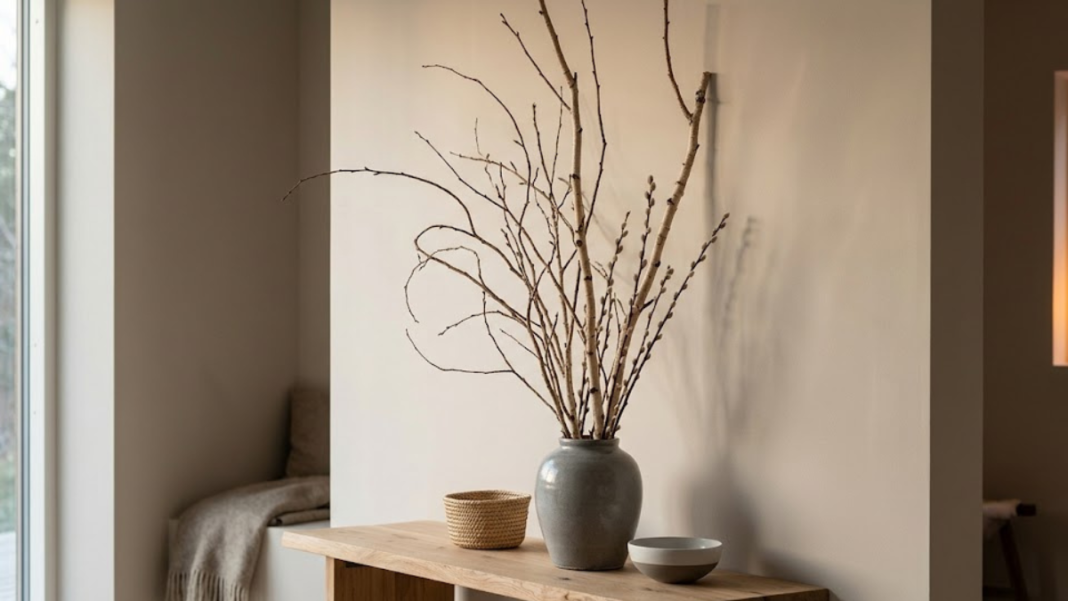

In the world of interior design, few elements offer the same blend of effortless elegance and organic charm as pyntekvister. Originating from Norwegian traditions, this design concept literally translates to “decorative branches” used to breathe life into indoor spaces. Whether you are a fan of sleek minimalism or cozy rustic aesthetics, pyntekvister serves as a versatile tool for anyone looking to bring a touch of the outdoors inside.
also read:https://soutaipassu.com/delta-fitness-authority/
As we navigate through 2026, the trend of biophilic design—connecting human spaces with nature—has reached new heights. Pyntekvister is at the heart of this movement, offering a sustainable, budget-friendly way to transform a cold room into a sanctuary. In this guide, we will explore the different types of decorative branches, how to preserve them for long-term use, and creative ways to style them naturally in your own home.
What is Pyntekvister?
The term pyntekvister encompasses any branch, twig, or stem used for aesthetic purposes within a home. It is not just about placing a stick in a vase; it is about selecting pieces with interesting shapes, textures, and histories to create a visual focal point.
The beauty of this Scandinavian-inspired decor lies in its simplicity. In Norway and Sweden, where the style has deep roots, pyntekvister often represents the changing seasons. In the spring, you might see budding pussy willows, while winter often calls for the stark, sculptural beauty of bare birch or evergreen pine.
Why Designers Love Decorative Branches
Interior experts favor pyntekvister because it adds “vertical interest” to a room without contributing to physical clutter. A single tall branch in a corner can draw the eye upward, making a ceiling feel higher and a space feel more open. Furthermore, because branches are naturally unique, no two pyntekvister arrangements are ever exactly the same, ensuring your home remains truly one-of-a-kind.
Types of Pyntekvister for Every Season
Choosing the right type of branch depends on the “vibe” you want to achieve. While some prefer the vitality of fresh cuttings, others opt for the longevity of dried or preserved specimens.
| Branch Type | Best Season | Characteristics | Visual Impact |
| Birch | All Year | Light-colored bark, elegant curves | Minimalist and clean |
| Willow | Spring | Flexible with soft “pussy willow” buds | Soft and welcoming |
| Maple | Autumn | Vibrant reds and oranges | Warm and dramatic |
| Pine/Fir | Winter | Deep green needles, fresh scent | Festive and cozy |
| Eucalyptus | All Year | Silvery-green leaves, aromatic | Modern and sophisticated |
How to Prepare and Preserve Your Pyntekvister
If you are gathering your own branches from the backyard or a local forest, proper preparation is essential to ensure they don’t bring unwanted pests into your home or decay prematurely.
Cleaning and Sanitizing
Before bringing a branch inside, inspect it for rot or heavy insect damage. A good practice is to wipe the branch down with a mild soap and water solution. For smaller twigs, placing them in a sealed plastic bag in the freezer for 48 hours is an effective way to kill any hidden larvae or eggs.
The Preservation Process
To make your pyntekvister last for years rather than weeks, you can use a few simple preservation techniques:
- Air Drying: Hanging branches upside down in a cool, dry place for several weeks is the most traditional method.
- Glycerin Soaking: For branches with leaves (like eucalyptus or maple), soaking the stems in a mixture of one part glycerin and two parts water helps keep the leaves flexible and colorful.
- Sealing: Applying a clear matte or satin polyurethane spray can protect the wood from moisture and UV damage, giving it a polished look.
Creative Styling Ideas
Styling pyntekvister naturally requires a “less is more” mindset. You don’t need a massive bouquet to make an impact; often, the most striking arrangements are the simplest.
The Minimalist Vase
Place one or two long, winding branches in a heavy ceramic or glass vase. Position this on a sideboard or an entryway table. The asymmetrical lines of the pyntekvister will contrast beautifully with the straight lines of modern furniture.
Seasonal Transitions
In 2026, the trend for spring decor focuses on “Soft Architecture”—using organic forms to balance out rigid interior structures. You can adapt your pyntekvister naturally throughout the year by adding small accents:
- Spring: Hang small wooden eggs or tie light ribbons to the branches.
- Summer: Use branches with vibrant green foliage to mimic a miniature tree indoors.
- Autumn: Wrap a thin string of fairy lights around the twigs for a warm, amber glow.
- Winter: Spray the tips of the branches with “faux snow” or hang simple glass ornaments for a festive feel.
FAQs About Pyntekvister
- Can I use any type of tree for pyntekvister?Most deciduous and evergreen trees work well, but avoid “soft” woods that rot quickly or trees with high sap content that might drip on your furniture.
- How do I keep fresh branches from wilting?If the branches are fresh, trim the ends at a 45-degree angle and place them in clean water, changing it every few days.
- Is it okay to paint my decorative branches?Absolutely! Painting branches white, gold, or even a bold matte black is a popular way to match them to a specific interior color scheme.
- How do I stop the bark from falling off?If the bark is loose, it is often better to strip it entirely and sand the wood smooth. Otherwise, a clear sealant can help “glue” the bark in place.
- Where is the best place to find branches?Your own garden is best, but always ask for permission before foraging in public parks or private lands.
- Are decorative branches safe for pets?Some trees, like Yew or certain types of Cherry, can be toxic to cats and dogs. Always check the species before bringing it into a pet-friendly home.
- How tall should my pyntekvister be?A good rule of thumb is that the branches should be at least 1.5 to 2 times the height of the vase they are in.
- Can I use pyntekvister in a bathroom?Yes, but ensure the wood is well-sealed with a waterproof finish to prevent mold in the humid environment.
- What kind of vase works best for heavy branches?Use heavy stone, ceramic, or thick glass vases to prevent the arrangement from tipping over.
- Does pyntekvister collect a lot of dust?Like any decor, branches can collect dust. A quick blast from a hair dryer on a cool setting or a soft microfiber cloth can keep them clean.
Conclusion
In conclusion, pyntekvister is a timeless and sustainable way to elevate your home’s interior. By bringing the raw, sculptural beauty of nature indoors, you can create a space that feels both modern and grounded. From the initial foraging and preservation to the final styling, the process of working with decorative branches is as much a creative outlet as it is a home improvement project. Whether you choose a single birch branch for a minimalist look or a full arrangement of flowering willow for the spring, pyntekvister naturally as well as effortlessly adds a touch of Scandinavian serenity to your daily life.