

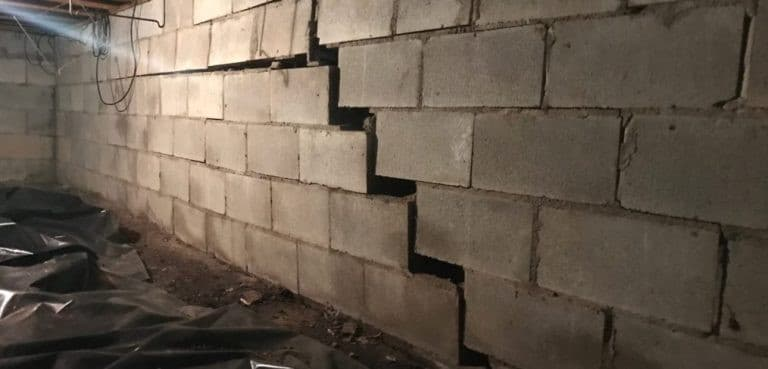

Foundation repair helps address problems like cracks and water damage that may threaten your building’s structural stability. Some observable indicators of structural issues include cracks in the interior wall, gaps between siding panels, and uneven spacing around door and window frames. Knowledge of the repair process helps you make informed decisions. Here’s more information about the steps involved in foundation repair:
Identifying the Root Cause
The initial stage of foundation repair focuses on assessing the structure’s condition and determining the causes of the problem. One issue often identified during this process is a bowing wall, which refers to a basement or retaining wall that curves inward. This type of deformation results from external forces acting on the foundation, like hydrostatic pressure.
Environmental factors also place stress on your foundation walls. When expansive clay soil surrounds your building, it often absorbs and releases moisture, causing it to contract and expand. This movement tends to increase pressure against basement walls. Tree roots growing near the structure also affect the surrounding soil and nearby concrete. In colder climates, freeze-thaw cycles alter soil conditions and affect ground movement around the foundation.
Foundation settlement is another common factor. When parts of the foundation settle at different rates, uneven weight distribution often creates cracks in foundation walls. During a structural assessment, your contractor evaluates these conditions to determine the cause of the wall movement and identify the appropriate repair method.
Determining the Stabilization Method
After identifying the cause of the structural pressures, your contractor determines an appropriate stabilization method. They also select the repair hardware based on soil conditions and the type of wall movement present. Soil classification plays a key role in this decision, as it influences how different repair methods perform. Professionals often categorize soil as cohesive or non-cohesive, which helps explain how anchoring systems will interact with the surrounding ground.
Steel reinforcement systems help address bowing walls caused by soil and water pressure. Larger and heavier buildings often require foundation piers designed to transfer substantial loads to more stable soil or bedrock. By evaluating the type of structural movement, site conditions, and building load requirements, they identify the repair method that best fits the foundation’s needs before installation begins.
Installing the Support Systems
Structural support systems help counteract the identified environmental pressures. Technicians may install steel I-beams vertically along the foundation wall to resist ongoing hydrostatic and soil pressure. They also use wall anchors. The anchors provide an alternative stabilization method by using stable soil beyond the immediate foundation area. The system applies outward force through embedded anchors and connecting rods to support the wall. Helical pier systems help address vertical settlement in heavier structures; installation often involves rotating the piers into the ground until they reach load-bearing soil.
Repairing the Cracks
The appropriate repair method depends on the crack’s condition and repair history. For unrepaired cracks in poured concrete walls and I-beam pockets, contractors use injection techniques to seal the opening. If a crack has undergone prior repairs, a panel crack repair system is often a more suitable solution.
This method combines a wall panel with a drainage component. It helps direct water entering through the crack into a controlled drainage pathway, allowing you to manage moisture before it reaches the basement floor. Contractors also use similar methods to address water intrusion in your basements or crawl spaces.
Explore Foundation Repair Options
When repairing your basement, working with trained technicians is key to preventing unsafe repairs that compromise your home’s foundation. Basement repair experts carefully evaluate the source of the issue before starting their targeted repair process. Book a consultation with a qualified company to learn more about the process of fixing your foundation.